In our last post, we explored the power of storytelling in content marketing. Today, let’s look at one of the most compelling examples of brand storytelling in action—a campaign that not only captured hearts but also drove remarkable business results.

The Challenge: An Industry Built on Insecurity
In 2004, the beauty industry had a problem. Well, actually, women had the problem—the industry was profiting from it.
Dove commissioned a global study that revealed a startling truth: only 2% of women worldwide described themselves as beautiful. The research, which surveyed over 3,200 women across 10 countries, uncovered something even more troubling. 68% of women strongly agreed that media and advertising set unrealistic beauty standards that most women could never achieve, and 75% wished the media would do a better job portraying women of diverse physical attractiveness, shape, and size.
Dove saw an opportunity—not just to sell more soap, but to tell a different story entirely.
The Story: Real Women, Real Beauty
https://www.dove.com/us/en/campaigns/purpose/real-beauty-pledge.html
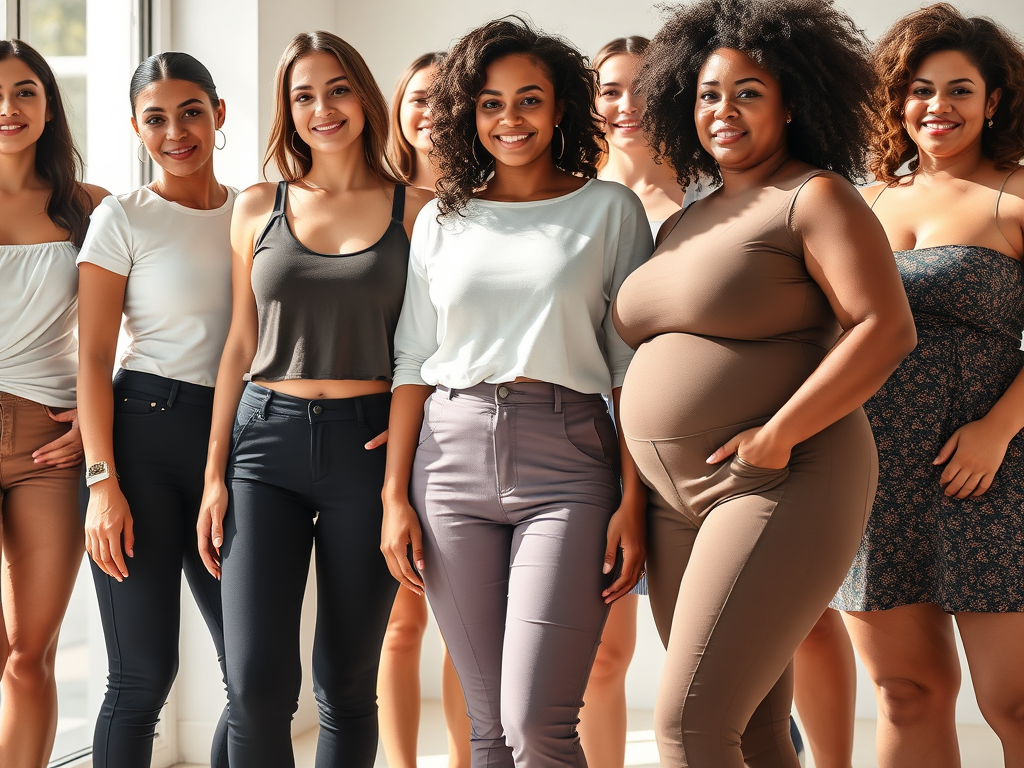
Instead of featuring airbrushed models and impossible standards, Dove launched its Campaign for Real Beauty with a revolutionary approach: they featured real women. Not actresses. Not models. Real women of different ages, sizes, ethnicities, and body types.
The campaign started simply with billboard advertisements featuring photographs of everyday women, accompanied by thought-provoking questions that invited public participation. These weren’t ads designed to make women feel inadequate so they’d buy products—they were conversations about what beauty really means.
But Dove didn’t stop at static images. They created compelling video content that struck an emotional chord. Their 2006 “Evolution” video showed the transformation of a model through makeup, hair styling, and digital manipulation, revealing how unrealistic beauty standards are manufactured. The video won two Grand Prix awards at Cannes.
In 2013, they released “Real Beauty Sketches,” which featured women describing themselves to a forensic sketch artist, then having strangers describe them. The sketches based on others’ descriptions were consistently more flattering than the self-descriptions, powerfully illustrating the message: “You’re more beautiful than you think.”
The Results: When Storytelling Meets Business Impact
The campaign’s success wasn’t just measured in hearts touched—though it certainly did that. The business results were extraordinary:
Financial Impact: Sales for Dove jumped from $2.5 billion to $4 billion in the campaign’s first ten years. Dove bars became the number one preferred soap brand in the United States and Unilever’s best-selling product company-wide. By 2023, the brand was delivering €6 billion in annual turnover.
Media and Engagement: The campaign generated $150 million in free media coverage. More than 26 million people participated in the campaign globally, joining a supportive online community that grew to over 200 million individuals worldwide.
Brand Perception: When Dove launched their “Reverse Selfie” campaign in 2021, they saw brand affinity increase by 21% and sales rise by 11%. Their market share of consumer demand reached 11.4%, significantly higher than the category average of 6.7%.
Social Impact: Beyond business metrics, Dove’s Self-Esteem Project has reached over 100 million young lives with body confidence education, creating meaningful change in how young women view themselves.
Why This Storytelling Worked
Dove’s success wasn’t accidental. Their campaign succeeded because it followed key storytelling principles:
1. Authenticity Above All Dove didn’t just talk about real beauty—they showed it. They put their message at the center of everything, featuring genuine women with genuine stories.
2. Addressing a Real Problem The campaign tackled a genuine pain point that resonated with millions of women worldwide. It wasn’t manufactured—it was addressing something women felt deeply but rarely saw acknowledged in advertising.
3. Making the Audience the Hero This is crucial: Dove didn’t make their products the star of the story. They made women the heroes. The narrative was about women’s journeys to self-acceptance, not about soap making them beautiful.
4. Consistency Over Time Twenty years later, Dove continues to champion real beauty. They’ve adapted their message to address new challenges like AI-generated beauty standards and social media filters, but their core story remains unchanged.
5. Action Beyond Advertising Dove backed up their storytelling with genuine initiatives like the Self-Esteem Project, partnerships with organizations like Girl Scouts of the USA, and educational programs. Their story was reinforced by real-world impact.
The Lessons for Your Brand
You don’t need Dove’s budget to apply these storytelling principles:
Start with research and empathy. Dove’s campaign began with understanding what women actually felt about beauty. What do your customers truly struggle with? What keeps them up at night?
Be willing to challenge your industry. Dove went against everything the beauty industry stood for. Sometimes the most powerful stories are the ones that dare to be different.
Make it about them, not you. Your product or service is the guide in the story, not the hero. Your customers are the heroes, and your brand helps them overcome their challenges.
Commit for the long haul. One campaign isn’t storytelling—it’s a marketing stunt. Real storytelling means consistently showing up with your message year after year.
Back it up with action. Stories ring hollow if they’re not supported by genuine commitment. Dove’s educational initiatives and partnerships showed they meant what they said.
The Ongoing Journey
Dove’s story isn’t without challenges. They’ve faced criticism and missteps along the way, including a 2017 advertisement that many perceived as racially insensitive. But rather than abandoning their mission, they listened, learned, and recommitted to their message—launching initiatives like Project #ShowUs, which created the world’s largest photo library of women and non-binary individuals to shatter beauty stereotypes.
Twenty years later, Dove continues to evolve their story while staying true to their core message. They’ve proven that when you tell a story that resonates deeply with your audience’s values and experiences, you don’t just build a successful campaign—you build a movement.
Your Turn
What story does your brand need to tell? What truths need to be spoken in your industry? What change do you want to see in the world?
The power of storytelling isn’t reserved for global corporations with unlimited budgets. It starts with understanding your audience, identifying what matters to them, and having the courage to tell a story that makes a difference.
Dove showed us that the most powerful marketing isn’t about selling products—it’s about championing the people who use them.
References
- PR Week. (2019). How Dove’s Real Beauty campaign won, and nearly lost, its audience. Retrieved from https://www.prweek.com
- Unilever. (2024). 20 years on: Dove and the future of Real Beauty. Retrieved from https://www.unilever.com
- Wikipedia. (2025). Dove Campaign for Real Beauty. Retrieved from https://en.wikipedia.org/wiki/Dove_Campaign_for_Real_Beauty
- Kantar. (n.d.). Real beauty, real impact: Dove’s 20-year glow-up. Retrieved from https://www.kantar.com
Discover more from Amber Otting, RPC
Subscribe to get the latest posts sent to your email.
 Amber Otting, RPC
One thought on “Storytelling That Changed Everything: How Dove’s Real Beauty Campaign Transformed a Brand”
Comments are closed.